

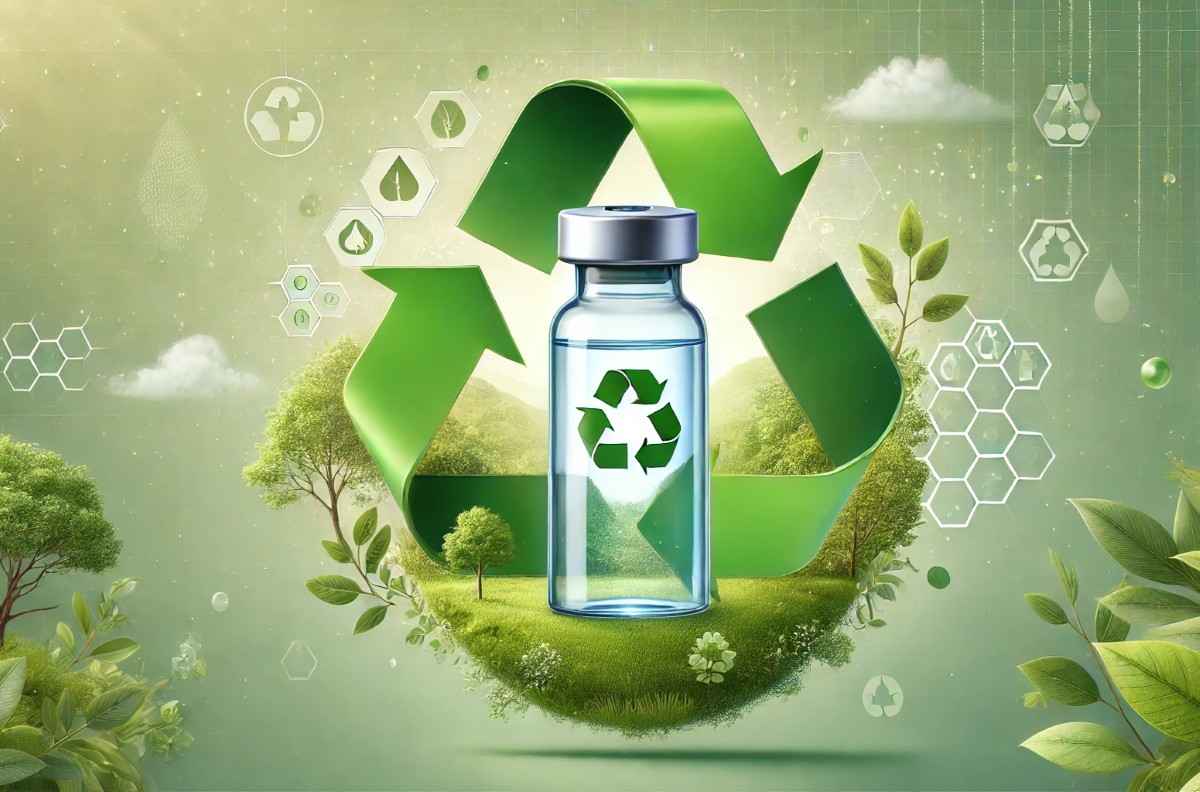
The pharmaceutical industry faces a unique set of sustainability challenges.
Balancing the stringent demands of product safety and regulatory compliance with environmental responsibility presents a complex task. For years, packaging has been a point of contention, often seen as a necessary but environmentally costly component.
Now, as regulatory pressures mount and stakeholder expectations evolve, packaging is under greater scrutiny than ever before. Brands are actively seeking solutions that protect their products without compromising the health of our planet.
This shift is leading many to reconsider traditional materials. The industry is shifting towards sustainable packaging solutions that minimise environmental impact, comply with new regulations, and meet the growing demand for greener products from consumers.
This transition is not just about corporate responsibility; it is a strategic move to build brand resilience and future-proof operations in a world increasingly focused on sustainability.
The Shift Towards Sustainable Pharmaceutical Packaging
Powerful forces drive the move towards eco-friendly packaging. In the UK and EU, regulatory frameworks are becoming stricter.
Initiatives like the EU’s Green Deal and the UK’s Plastic Packaging Tax create strong financial and legal incentives for businesses to minimise waste and adopt circular economy principles. These regulations are reshaping how companies approach their packaging strategies from design to disposal.
Simultaneously, pressure from stakeholders—including investors, healthcare providers, and the public—is growing. Today’s consumers are more environmentally aware and are beginning to extend their sustainability expectations to healthcare products.
Pharmaceutical companies that demonstrate a clear commitment to reducing their environmental footprint can enhance their brand reputation and build stronger relationships with their customers.
Why Glass Packaging Is Gaining Popularity
Amidst the search for better materials, glass packaging has emerged as a frontrunner for the pharmaceutical sector. Its inherent properties make it an ideal candidate for meeting both safety and sustainability goals.
Glass is infinitely recyclable without any loss of quality or purity, making it a perfect fit for a circular economy. A recycled glass container can be back on the shelf as a new product in as little as 30 days.
From a product protection standpoint, glass offers exceptional chemical stability. As an inert material, it does not react with its contents, ensuring that the purity and efficacy of medications are preserved.
This is a critical advantage over some plastic alternatives, which can be susceptible to leaching or interacting with sensitive formulations. Glass provides a reliable barrier against moisture and oxygen, extending shelf life and safeguarding patient health.
The Role of Amber Glass Bottles in Pharmaceuticals
Within the category of glass packaging, amber glass bottles hold a particularly important place. Their distinctive colour is not merely an aesthetic choice; it serves a vital scientific function.
The amber tint provides excellent protection against ultraviolet (UV) light, which can degrade light-sensitive medications and compromise their effectiveness. This makes amber glass essential for a wide range of pharmaceuticals, including many liquids, tablets, and capsules.
Beyond product preservation, amber glass bottles carry significant sustainability advantages. Like all glass, they are fully recyclable and contribute to a circular supply chain.
By choosing amber glass, pharmaceutical brands can ensure the highest level of product protection while aligning with their environmental objectives. It represents a time-tested solution that meets modern demands for both safety and sustainability.
Innovation and Design in Sustainable Packaging
The push for sustainability is driving remarkable innovation in glass packaging design and manufacturing. One of the most significant trends is the development of lightweight glass.
Through advanced engineering, manufacturers can now produce glass containers that use significantly less material without sacrificing strength or durability. This reduces the raw materials and energy required for production and lowers transportation costs and associated carbon emissions.
Furthermore, the industry is exploring refillable and reusable packaging concepts. While challenging to implement in a highly regulated sector, pilot programmes for certain over-the-counter products and closed-loop systems for clinical settings show promise.
These models represent a fundamental shift from a disposable mindset to a circular one. Advances in manufacturing processes are also contributing to greater efficiency, reducing energy consumption and water usage during production.
Challenges and Considerations
Despite its many benefits, transitioning to sustainable pharmaceutical packaging is not without its challenges.
The initial cost of adopting new packaging solutions or upgrading production lines can be substantial. For many organisations, this requires careful financial planning and a long-term investment perspective.
Supply chain adaptation is another critical consideration. Shifting to materials like glass may require changes in logistics, storage, and handling processes. Companies must work closely with their packaging suppliers and logistics partners to ensure a smooth and efficient transition that does not disrupt the supply of essential medicines.
Above all, any change must be managed without compromising compliance with strict regulatory standards or, most importantly, patient safety.
A Clear Future for Pharmaceutical Packaging
Adopting sustainable packaging, particularly glass and amber glass bottles, offers pharmaceutical brands a clear path forward. It allows them to reduce their environmental footprint, align with tightening regulations, and meet the evolving expectations of a more conscious market.
The benefits—from superior product protection and infinite recyclability to enhanced brand reputation—are compelling.
While challenges related to cost and logistics remain, ongoing innovation in lightweighting, manufacturing efficiency, and circular models is making the transition more feasible.
The future of pharmaceutical packaging will be defined by a holistic approach that balances safety, sustainability, and efficiency. By embracing glass packaging, the industry can take a significant step towards a healthier future for both people and the planet.
