

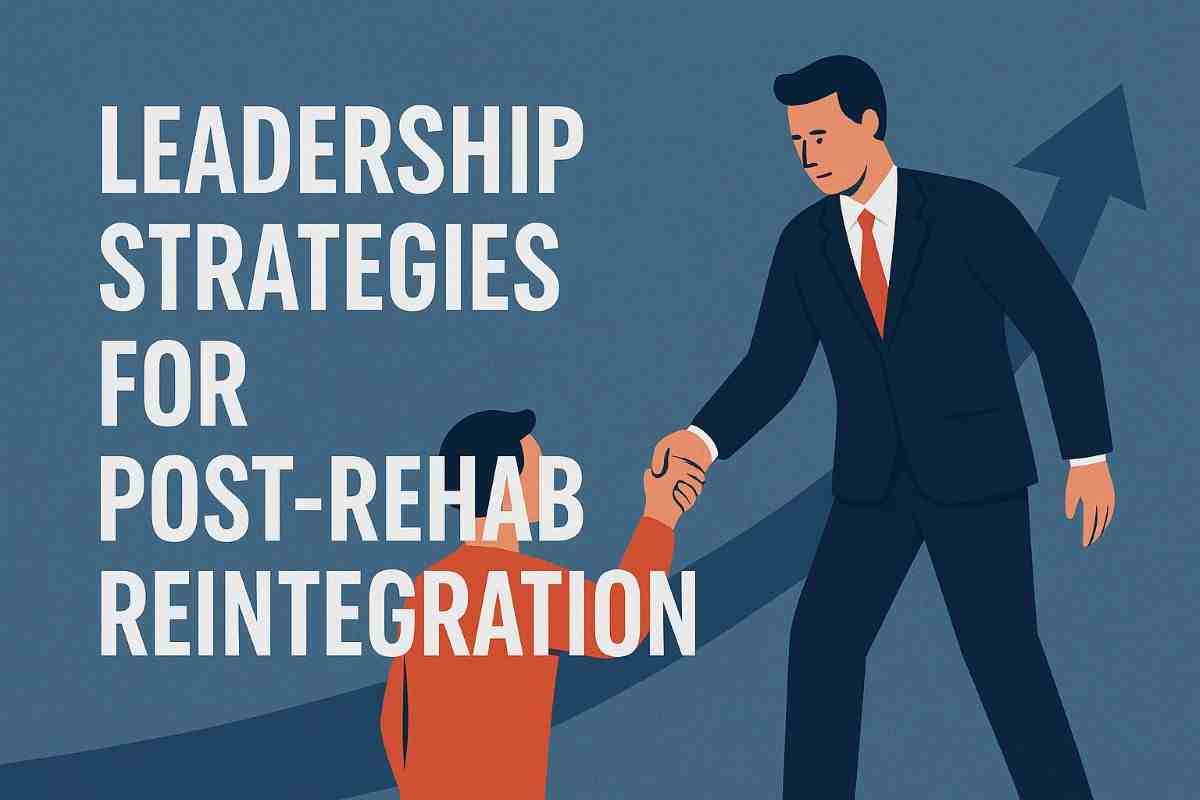
An employee’s return to work after completing addiction treatment is a critical phase in their recovery journey.
For leaders, managers, and HR professionals, this period of post-rehab reintegration presents both a challenge and an opportunity.
By implementing compassionate and effective leadership strategies, organisations can not only support their employee’s long-term wellbeing but also foster a more inclusive, resilient, and productive workplace.
This guide offers practical advice for navigating this sensitive process with empathy and professionalism.
Understanding Post-Rehab Reintegration
Supporting an employee returning from treatment requires a nuanced understanding of their situation. Whether they have completed a programme for a specific issue, such as a ketamine detox, the transition back to the workplace is a significant step.
These individuals may face a unique set of challenges, including managing stress, rebuilding professional relationships, and readjusting to daily work routines, all while navigating the pressures of sustained recovery.
Compassionate leadership is not just a ‘nice-to-have’; it is essential for successful workplace recovery support. A manager’s response can significantly impact an employee’s confidence and ability to readjust.
A supportive environment minimises the risk of relapse and helps the individual feel valued and secure in their role. Conversely, a lack of understanding or support can create an atmosphere of anxiety and isolation, undermining both the employee’s recovery and their professional contribution.
Leadership Strategies for a Smooth Transition
Actionable leadership strategies are the bedrock of a successful return-to-work plan. The focus should be on creating a structured yet flexible framework that prioritises the employee’s wellbeing without compromising professional expectations.
Foster Open Communication
Trust is the foundation of a supportive professional relationship. Schedule a private meeting with the employee before or on their first day back to discuss their return.
The goal of this conversation is not to pry into the details of their treatment but to establish an open line of communication. Ask them what support they need to succeed. Agree on a plan for regular, informal check-ins to discuss workload and any potential challenges.
This demonstrates that you are an ally in their corner.
Offer Flexibility
Recovery is not a linear process and often requires ongoing appointments, therapy sessions, or support group meetings.
Where possible, offer flexibility in the employee’s schedule. This could involve adjusted start and end times, the ability to work from home on certain days, or a temporary modification of duties.
A phased return, where the employee gradually increases their hours or responsibilities over a few weeks, can also be an effective way to ease the transition and prevent them from feeling overwhelmed.
Uphold Confidentiality
An employee’s health information is private and must be treated with the utmost confidentiality.
Discussions about their recovery should happen in a private setting and information should only be shared with others (such as HR) on a strict need-to-know basis and with the employee’s explicit consent.
Respecting their privacy is crucial for building trust and ensuring they feel safe at work. It also sets a clear standard for the rest of the team about professionalism and respect.
Creating a Supportive Workplace Culture
Individual leadership strategies are most effective when they are part of a broader, supportive workplace culture.
Fostering an environment that is educated, empathetic, and free from stigma is a collective responsibility.
Promote Awareness and Reduce Stigma
One of the biggest hurdles for individuals in recovery is the stigma surrounding addiction. Organisations can actively combat this by promoting awareness and education.
Organise workshops or training sessions for all staff on mental health and substance misuse. Normalising these conversations helps to create a culture where employees feel they can seek help without fear of judgment.
This proactive approach to workplace recovery support benefits everyone, not just those returning from treatment.
Implement Peer Support Programmes
Connecting the returning employee with a trusted colleague or mentor can provide an invaluable layer of informal support.
A peer supporter can offer a friendly ear, help them navigate social dynamics, and provide encouragement.
This can be a formalised mentorship programme or a more casual ‘buddy system’. The key is to ensure the chosen peer is discreet, empathetic, and well-respected within the team.
Encourage Wellness Initiatives
Promote workplace wellness initiatives that align with a healthy lifestyle. This could include subsidised gym memberships, mindfulness sessions, stress management workshops, or alcohol-free social events.
These initiatives demonstrate a company-wide commitment to employee wellbeing and create a positive environment that complements the principles of recovery.
Monitoring Progress and Providing Feedback
A structured approach to monitoring performance helps the employee regain their professional footing and feel a sense of accomplishment.
Set Realistic Expectations
Collaborate with the employee to set clear, realistic, and measurable goals for their first few months back.
Avoid overloading them with high-pressure projects immediately. Instead, focus on achievable targets that allow them to build momentum and confidence.
Regularly review these goals together, making adjustments as needed based on their progress and comfort level.
Recognise Achievements
Positive reinforcement is a powerful motivator. Acknowledge the employee’s contributions and celebrate their successes, both big and small.
Recognising their hard work helps to rebuild their professional self-esteem and reinforces their value to the team.
This simple act of appreciation can make a significant difference in their engagement and overall morale.
Offer Constructive Support
If challenges arise, address them promptly and supportively. Frame feedback constructively, focusing on solutions rather than problems.
Ask questions like, “How can we work together to overcome this?” or “What resources would help you with this task?”
This collaborative approach avoids blame and reinforces your role as a supportive manager, committed to their success.
Conclusion
Effective leadership is paramount to successful ketamine or cocaine rehab reintegration. By adopting these strategies, leaders can create an environment where employees feel safe, supported, and empowered to thrive both personally and professionally.
Investing in education, fostering a compassionate culture, and implementing clear policies for workplace recovery support is not just a moral imperative—it is a strategic investment in your most valuable asset: your people.
By championing their recovery, you build a stronger, more loyal, and more resilient organisation.
